Patient examination
Patient examination is a detailed health check-up that combines asking questions, observing, touching, listening, and testing the patient’s body to detect any disease or health problem. It is crucial for diagnosis and treatment.
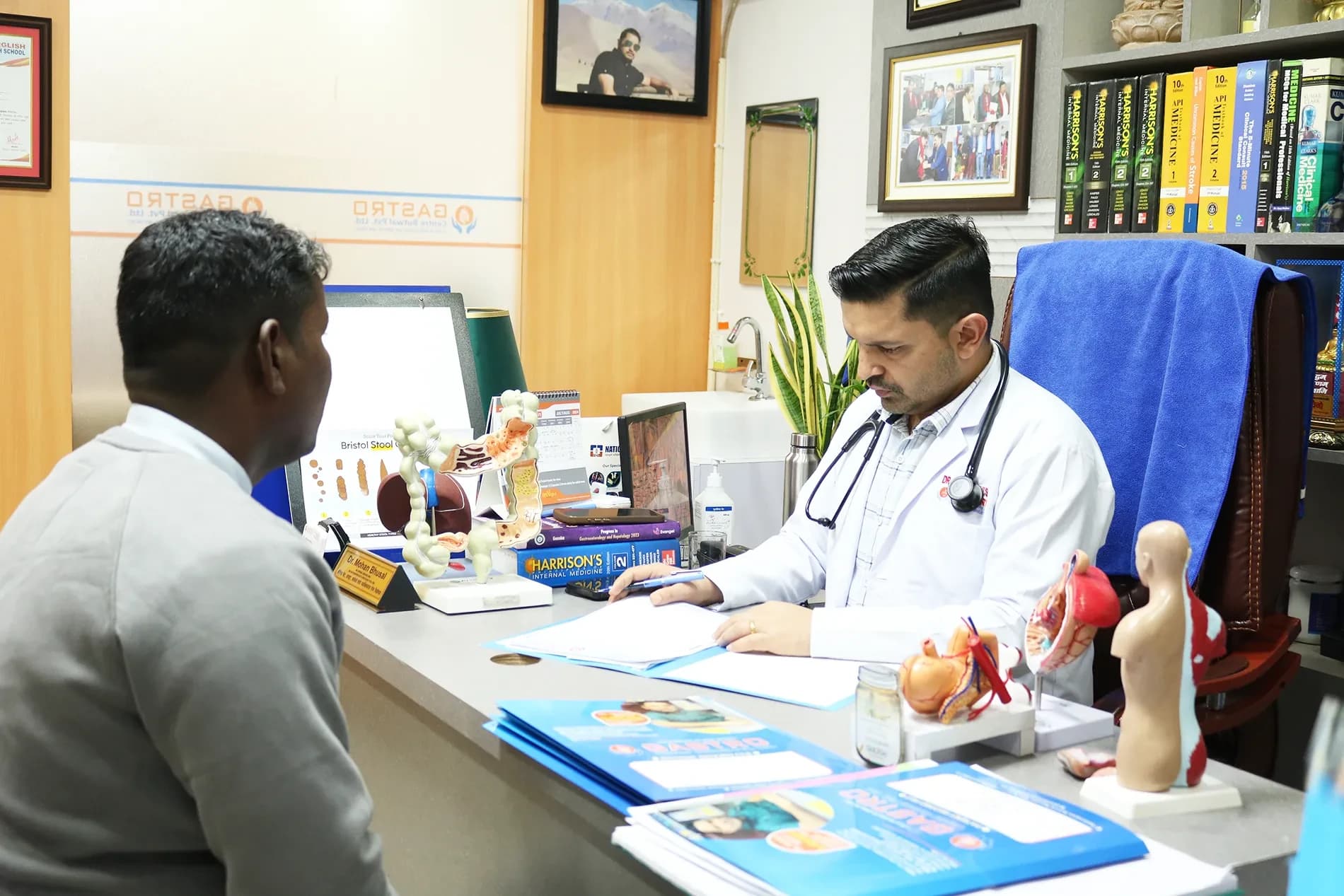
Patient examination refers to the systematic process of evaluating a person's physical and sometimes mental health by a healthcare professional (usually a doctor or nurse) to understand symptoms, identify diseases, and plan treatment.
? It includes the following major steps:
1. Patient History (Medical Interview)
The doctor asks questions to understand:
Chief complaint – Why the patient came (e.g., "I have stomach pain").
History of present illness – How long, how severe, what triggers it, etc.
Past medical history – Previous illnesses, surgeries, hospitalizations.
Family history – Any genetic or hereditary diseases.
Medication history – Drugs being taken currently or in the past.
Allergies – Reactions to medicines, foods, or substances.
Lifestyle factors – Smoking, alcohol, diet, sleep, stress, etc.
2. Vital Signs
These are basic body functions checked for every patient:
Temperature
Blood Pressure
Pulse (heart rate)
Respiratory rate
Oxygen saturation
3. Physical Examination
The doctor uses:
Inspection (looking) – Checking skin, eyes, posture, etc.
Palpation (touching) – Feeling for tenderness, swelling, lumps.
Percussion (tapping) – Helps detect fluid or abnormal structures.
Auscultation (listening with stethoscope) – Heart, lungs, abdomen sounds.
4. System-wise Examination
A deeper check of individual body systems:
SystemWhat’s CheckedCardiovascularHeartbeats, murmurs, rhythmRespiratoryLungs, breathing sounds, wheezingGastrointestinalAbdomen pain, liver size, bowel soundsNervous SystemReflexes, balance, memory, strengthMusculoskeletalJoints, bones, muscle movementSkin & LymphRashes, swelling, infectionsENTEar, nose, throat, eyes, oral health
5. Investigations / Tests
If needed, tests may be ordered:
Blood/urine tests
X-ray, ultrasound, MRI, CT scan
Endoscopy, colonoscopy
ECG, Echo, biopsy, etc.
6. Assessment / Diagnosis
The doctor forms a clinical judgment based on the findings and may give a preliminary or final diagnosis.
7. Treatment Plan
After examination:
Prescriptions may be given
Advice on lifestyle or diet
Referrals to specialists
Follow-up instructions
? Summary:
Patient examination is a detailed health check-up that combines asking questions, observing, touching, listening, and testing the patient’s body to detect any disease or health problem. It is crucial for diagnosis and treatment.