Electrocardiogram (ECG)
ECG service refers to the medical test called an electrocardiogram, which records the heart’s electrical activity to check for heart problems. It’s a quick, painless test used to detect irregular heartbeats, heart attacks, and other heart conditions.
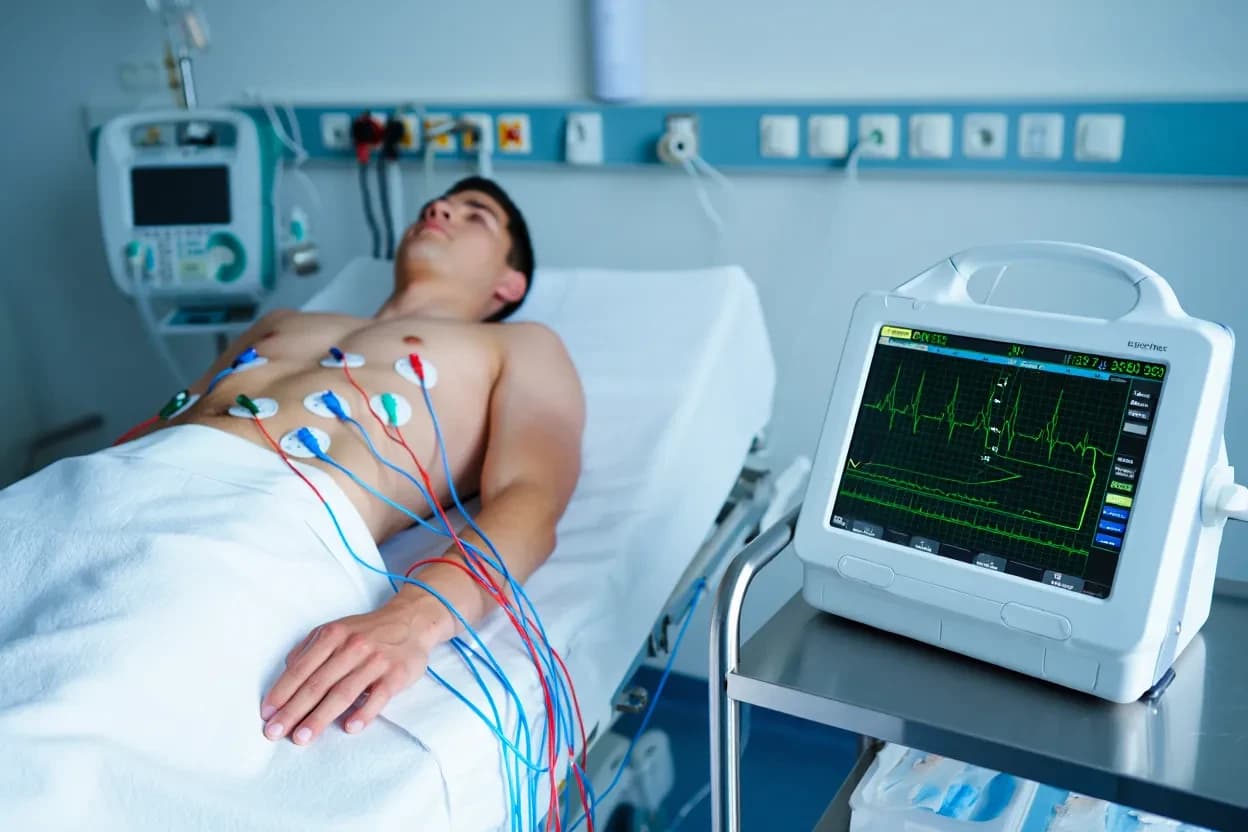
ECG (Electrocardiogram) service refers to the medical procedure of performing an electrocardiogram test, which records the electrical activity of the heart over a period of time. This test helps doctors assess the heart’s rhythm, detect abnormalities, and diagnose various heart conditions.
What is an ECG?
The heart generates electrical impulses that trigger each heartbeat. An ECG records these impulses through electrodes placed on the skin, producing a graph (electrocardiogram) that shows the timing and strength of the electrical signals as they travel through the heart.
Purpose of ECG Service
Diagnose Heart Problems: Detect arrhythmias (irregular heartbeats), heart attacks, and damage to the heart muscle.
Monitor Heart Health: Track heart conditions in patients with known heart disease or risk factors.
Evaluate Symptoms: Investigate chest pain, palpitations, dizziness, or fainting.
Preoperative Assessment: Check heart function before surgery.
Guide Treatment: Help doctors decide on medications, pacemaker use, or other therapies.
How ECG Service is Performed
Preparation: The patient is asked to lie down and relax.
Electrode Placement: Small sticky pads (electrodes) are attached to the chest, arms, and legs.
Recording: The ECG machine records electrical signals for a few seconds to minutes.
Result: The output is a graph showing wave patterns representing heart activity.
Analysis: A healthcare professional analyzes the patterns to detect abnormalities.
Features of ECG Service
Non-invasive: No needles or incisions involved.
Painless: The test is painless and safe.
Quick: Usually takes about 5 to 10 minutes.
Portable: ECG machines can be portable, used in hospitals, clinics, ambulances, or even at home in some cases.
Types of ECG
Resting ECG: Performed while the patient is at rest.
Exercise ECG (Stress Test): Records heart activity during physical exertion.
Holter Monitoring: Continuous ECG recording over 24-48 hours using a portable device.
Importance
ECG service is a fundamental diagnostic tool in cardiology. It provides immediate information about the heart’s electrical system and is essential for early detection and management of cardiovascular diseases, which are a leading cause of death worldwide.
Summary
ECG service involves performing an electrocardiogram test that records the heart’s electrical activity to detect heart problems. It is a quick, safe, and non-invasive procedure essential for diagnosing and monitoring heart health.